Have you ever turned on the faucet, taken a drink and thought:
“Why does my water smell like that?”
Maybe it smells a little like chlorine. Maybe your well water has that unmistakable “rotten egg” odor. Or perhaps you've noticed a metallic, salty or otherwise unusual taste.
You're not imagining it.
Water can develop noticeable tastes and odors for a variety of reasons, and the possible cause can depend on whether you have municipal water or a private well, your home's plumbing, your water heater and other factors.
The important thing is not to guess.
Understanding the source is the first step toward understanding what your water may need.
Quick Answer: Water can smell or taste unusual because of disinfectants such as chlorine, naturally occurring minerals, hydrogen sulfide, plumbing conditions or water-heater issues. These changes don't automatically mean your water is unsafe, but taste and smell alone cannot confirm water safety. Appropriate testing can help identify the cause.
WHY DOES MY TAP WATER SMELL LIKE CHLORINE?
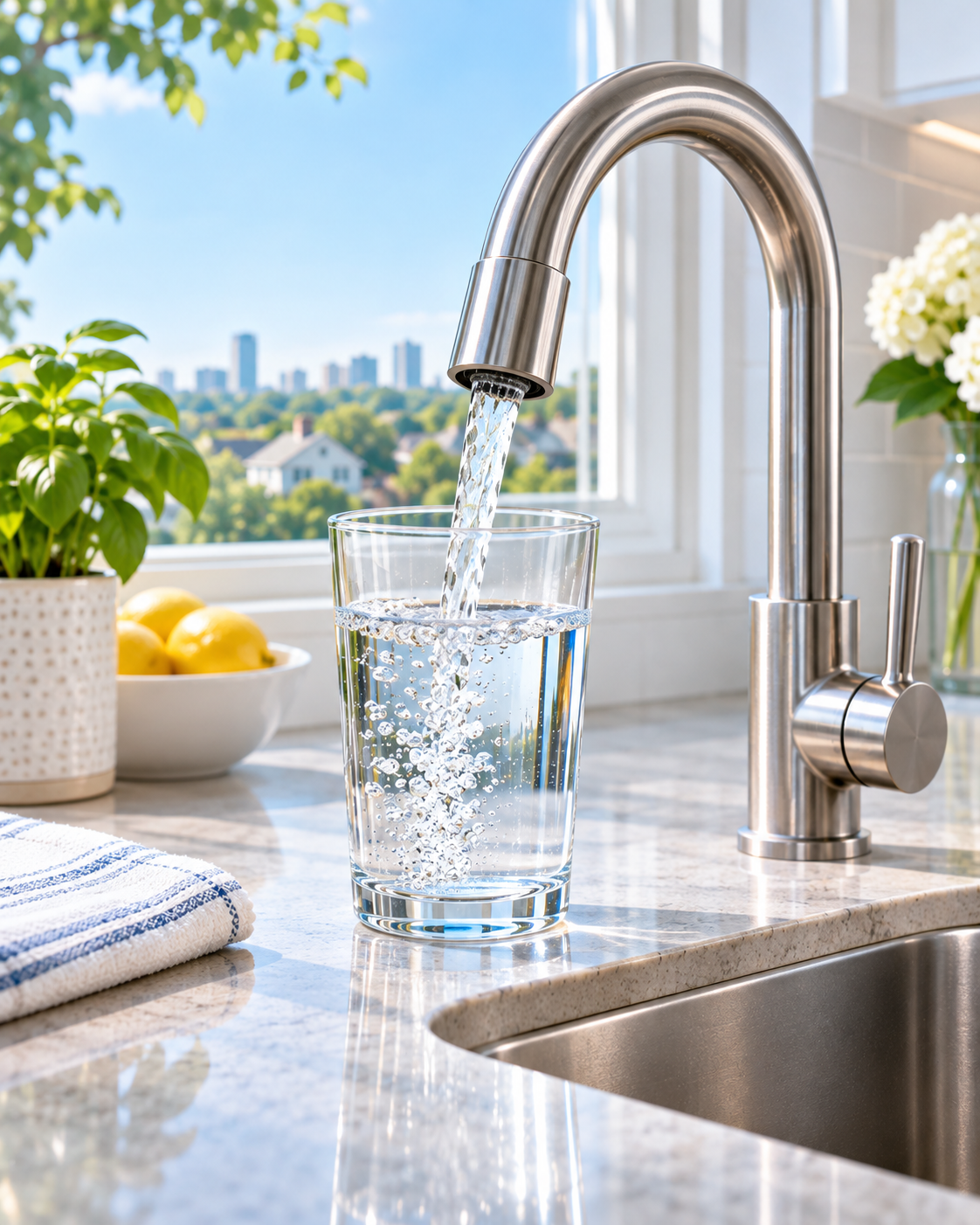
If your home receives municipal water, a chlorine-like smell or taste may be related to the disinfection process used by your water utility.
Chlorine is commonly used to help control disease-causing microorganisms in drinking water. EPA notes that consumers may sometimes notice chlorine in their tap water because utilities use it during treatment.
That means noticing a chlorine smell does not by itself mean your water is unsafe.
However, some homeowners simply don't like the way chlorine affects the taste or smell of their water.
Certain appropriately certified water-treatment systems can be designed to reduce chlorine-related taste and odor. The right treatment depends on the specific water issue you're trying to address.
WHY DOES MY WATER SMELL LIKE ROTTEN EGGS?
This is an especially common question for people with private wells.
That distinctive “rotten egg” smell is commonly associated with hydrogen sulfide gas. Texas A&M AgriLife notes that hydrogen sulfide can occur in drinking water and produce the characteristic odor people often describe as sulfur or rotten eggs.
But here's something many homeowners don't realize:
The water heater can sometimes be the source.
If you notice the smell from your hot water but not your cold water, Texas A&M's Texas Well Owner Network says the water heater may be responsible.
If the odor occurs throughout the home's hot and cold water, the source may be somewhere else in the well or water system.
That's another reason it's important to identify the source before deciding how to treat the problem.
WHY DOES MY WATER TASTE METALLIC?
A metallic taste can have several possible causes.
EPA guidance identifies factors including iron, copper, manganese, corrosivity and pH as possible contributors to metallic or bitter-metallic tastes.
For private wells, EPA also notes that acidic water or higher iron levels can contribute to a metallic taste.
The plumbing inside your home can matter, too.
So rather than assuming a metallic taste means one particular thing, it's better to investigate what is actually happening in your water and your plumbing system.
WHAT ABOUT SALTY, EARTHY OR MUSTY WATER?
Those can have different explanations as well.
EPA identifies chloride, sulfate and total dissolved solids among substances that can contribute to a salty taste. Naturally occurring compounds and other conditions can contribute to earthy or musty tastes and odors.
This is particularly important because taste and smell aren't reliable tests for everything that may be present in water.
Some water-quality issues are noticeable. Others aren't.
EPA specifically notes that odor-free water isn't necessarily safe to drink, and some substances can only be identified through appropriate laboratory testing.
DOES FUNNY-TASTING OR SMELLY WATER MEAN IT'S DANGEROUS?
Not necessarily.
Some water characteristics are primarily considered aesthetic issues—meaning they affect taste, smell, appearance or usability rather than necessarily representing a health concern.
At the same time, you also shouldn't assume water is safe simply because it looks, smells and tastes perfectly normal.
That's why we believe testing and good information are more useful than guessing based on your senses alone.
CITY WATER AND WELL WATER CAN REQUIRE DIFFERENT APPROACHES
With municipal water, you may be dealing with characteristics related to the source water, treatment process, distribution system or your property's plumbing.
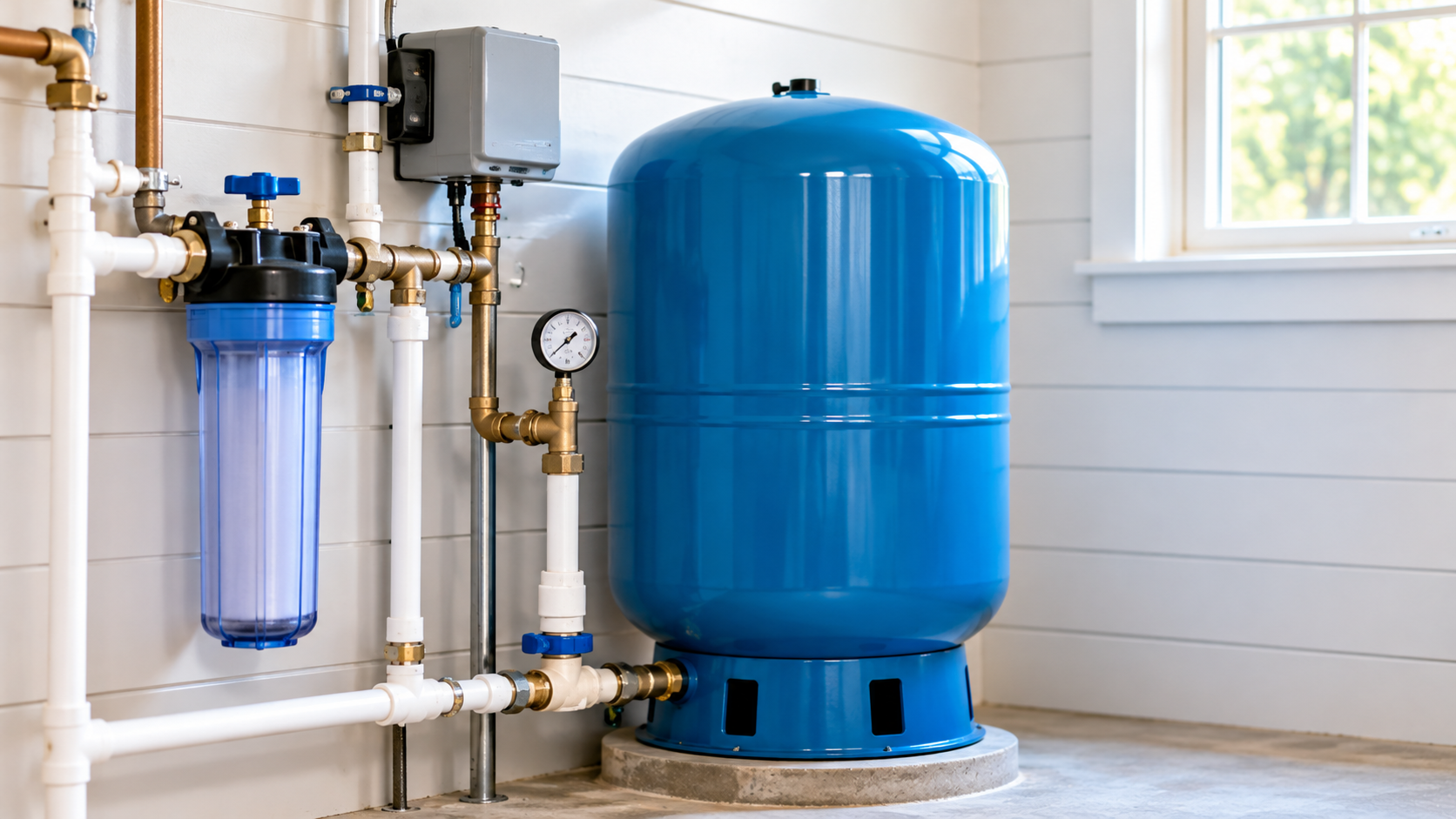
With a private well, groundwater conditions, naturally occurring minerals, the well itself, bacteria, plumbing, storage equipment and the water heater can all potentially play a role.
That's why there isn't one universal filtration system that's right for every property.
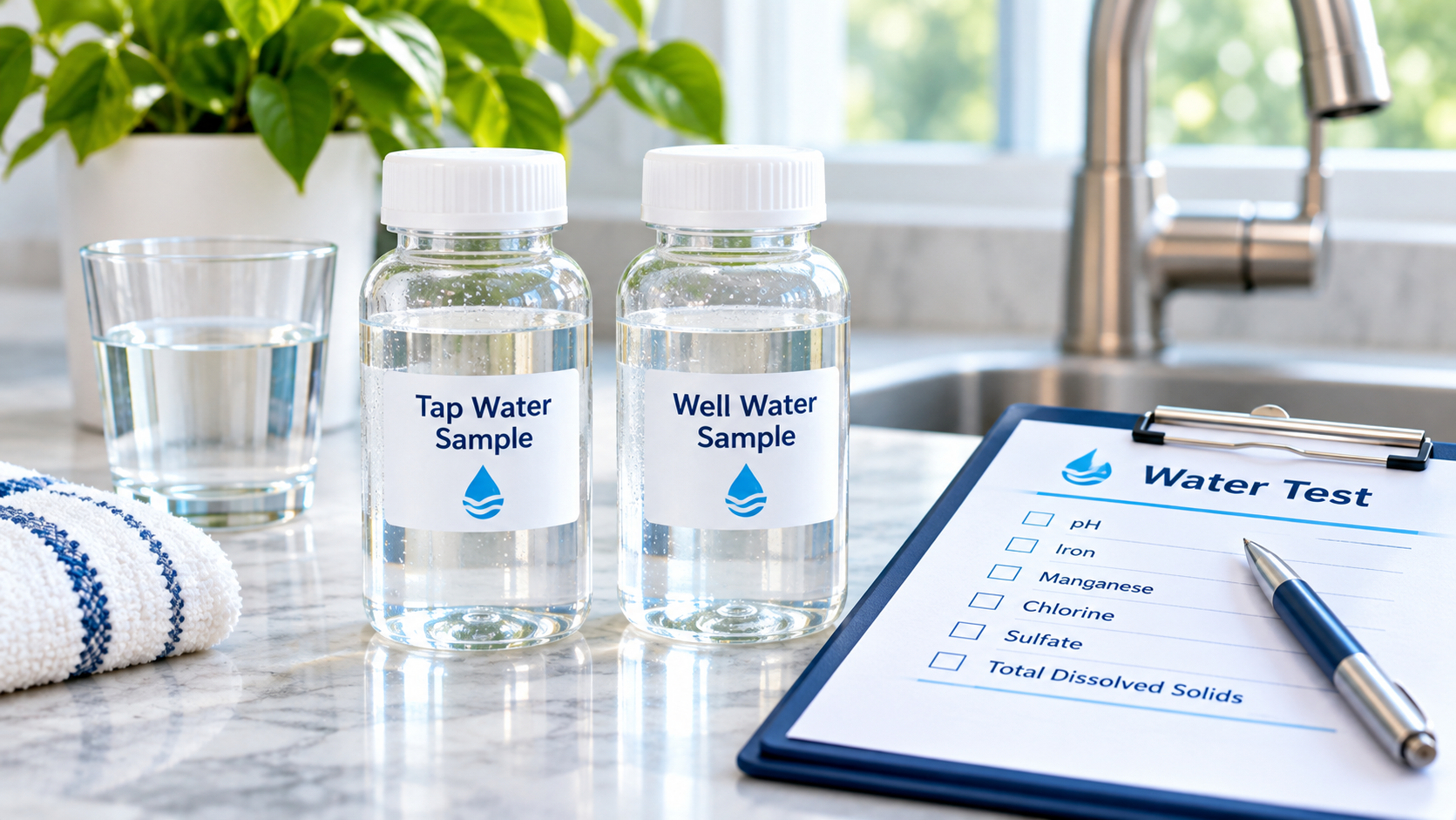
START WITH THE WATER—NOT THE EQUIPMENT
Before deciding what type of water-treatment system you need, ask: What problem am I actually trying to solve?
Is it chlorine taste or odor? A sulfur or rotten-egg smell? Metallic taste? Hard-water deposits or staining? Sediment? Or are you simply interested in learning more about the water you're using every day?
Once you understand your water and your goals, it's much easier to determine whether whole-home filtration, reverse osmosis, another type of treatment—or no additional treatment at all—is appropriate.
WHAT IS YOUR WATER TELLING YOU?
Atlas Aqua Filtration helps homeowners and businesses throughout Greater Houston and surrounding Southeast Texas communities better understand their water and explore appropriate water-treatment options for both municipal and private well water.
NOT SURE WHAT’S CAUSING YOUR WATER’s TASTE OR SMELL?
Every home and water source is different. Atlas Aqua Filtration helps homeowners and businesses throughout Greater Houston better understand their water and explore solutions based on their specific needs.
Whether you're interested in whole-home filtration, reverse osmosis or water testing, we're here to help you find the right next step.
Call 832-856-5429 or visit AtlasAquaFiltration.com to learn more.
Atlas Aqua Filtration — Changing Your World, One Drop at a Time.
DISCLAIMER: This article is provided for general educational purposes. Water conditions vary by location, water source, plumbing and other factors. A particular taste, odor or appearance does not by itself establish what is present in water or whether the water is safe or unsafe. Appropriate testing may be necessary to identify specific water-quality conditions.
SOURCES:
EPA home water treatment guide: https://www.epa.gov/system/files/documents/2024-11/ws-products-home-water-treatment-guide_508.pdf
Texas A&M AgriLife — Hydrogen Sulfide in Drinking Water: https://agrilifeextension.tamu.edu/asset-external/hydrogen-sulfide-in-drinking-water-causes-and-treatment-alternatives/
Texas Well Owner Network FAQ: https://twon.tamu.edu/frequently-asked-questions/
EPA Secondary Drinking Water Standards: https://www.epa.gov/sdwa/secondary-drinking-water-standards-guidance-nuisance-chemicals
EPA Protect Your Home’s Water: https://www.epa.gov/privatewells/protect-your-homes-water